September 30, 2026
Navigating life-safety regulations is a fundamental responsibility for commercial building owners, property managers, and business operators. Local municipalities, state governments, and national organizations enforce strict safety codes to protect occupants, minimize property damage, and ensure swift emergency response during structural fires. Adhering to these rules is not just a matter of avoiding fines; it is fundamentally about protecting human lives. The National Fire Protection Association establishes comprehensive standards, such as NFPA 72, which govern the installation, testing, and maintenance of detection and notification systems. Failing to meet these stringent mandates can result in severe financial penalties, operational shutdowns, and heightened legal liability. Maintaining an up-to-date life safety network protects both building occupants and the property owner's long-term financial investment. Partnering with a professional fire alarm service provides the technical expertise and regulatory oversight needed to maintain full compliance across all facilities.
Navigating Complex Local and National Building Codes
Life-safety codes are far from static; they evolve continuously as building technologies advance and safety research uncovers new vulnerabilities. A commercial facility built a decade ago may no longer align with current municipal standards regarding notification appliance density, voice evacuation capabilities, or monitoring protocols. Keeping track of local ordinance updates alongside national mandates requires constant monitoring that exceeds the scope of general maintenance staff. An experienced fire alarm service specializes in monitoring regulatory changes and translating complex legal requirements into actionable facility upgrades. Professional technicians ensure that every control panel, pull station, and notification device satisfies both local fire marshal expectations and national regulatory frameworks.
Ensuring Strategic Device Placement and Layout Design
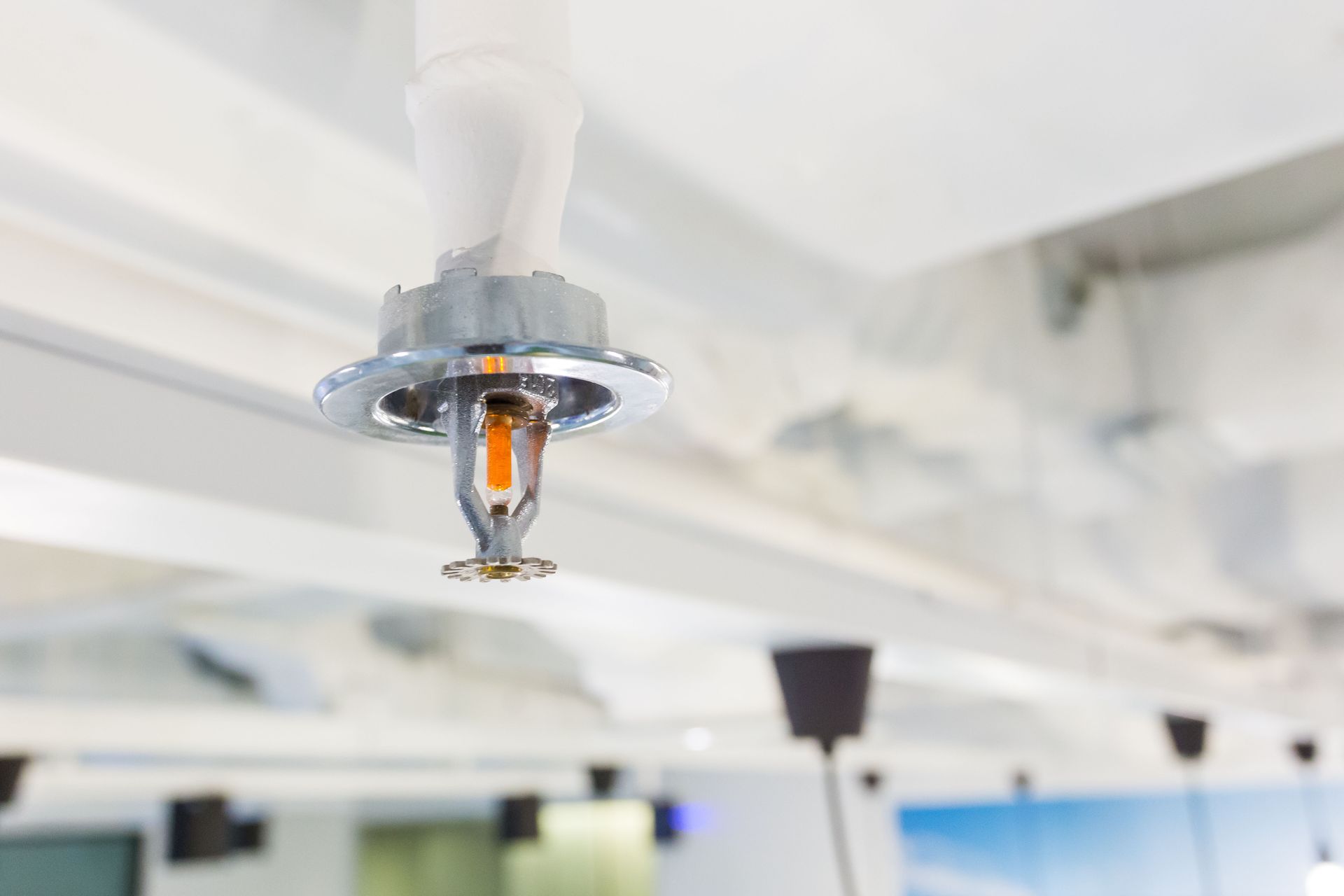
Code compliance involves much more than simply installing detection devices throughout a building; device placement must adhere to precise environmental and spatial guidelines. Detectors installed in improper locations can experience delayed activation or suffer from frequent false alarms caused by airflow interference. Drafts near exterior doors or HVAC units can misdirect smoke away from sensor chambers during the early stages of a fire. According to This Old House, when installing smoke alarms, place them at least three feet away from forced-air registers, ceiling fans, and entrances to kitchens and bathrooms to prevent false alarms. Commercial spaces present even more intricate spatial challenges, including high ceilings, hazardous storage zones, and specialized ventilation systems. Failing to account for these architectural details during installation can leave dangerous blind spots in your detection network. Engaging a qualified fire alarm service guarantees that system engineers conduct thorough site evaluations, positioning heat sensors, smoke detectors, and strobe lights in locations that ensure rapid detection while satisfying code-mandated coverage patterns.
Executing Mandatory Annual Inspection and Testing Protocols
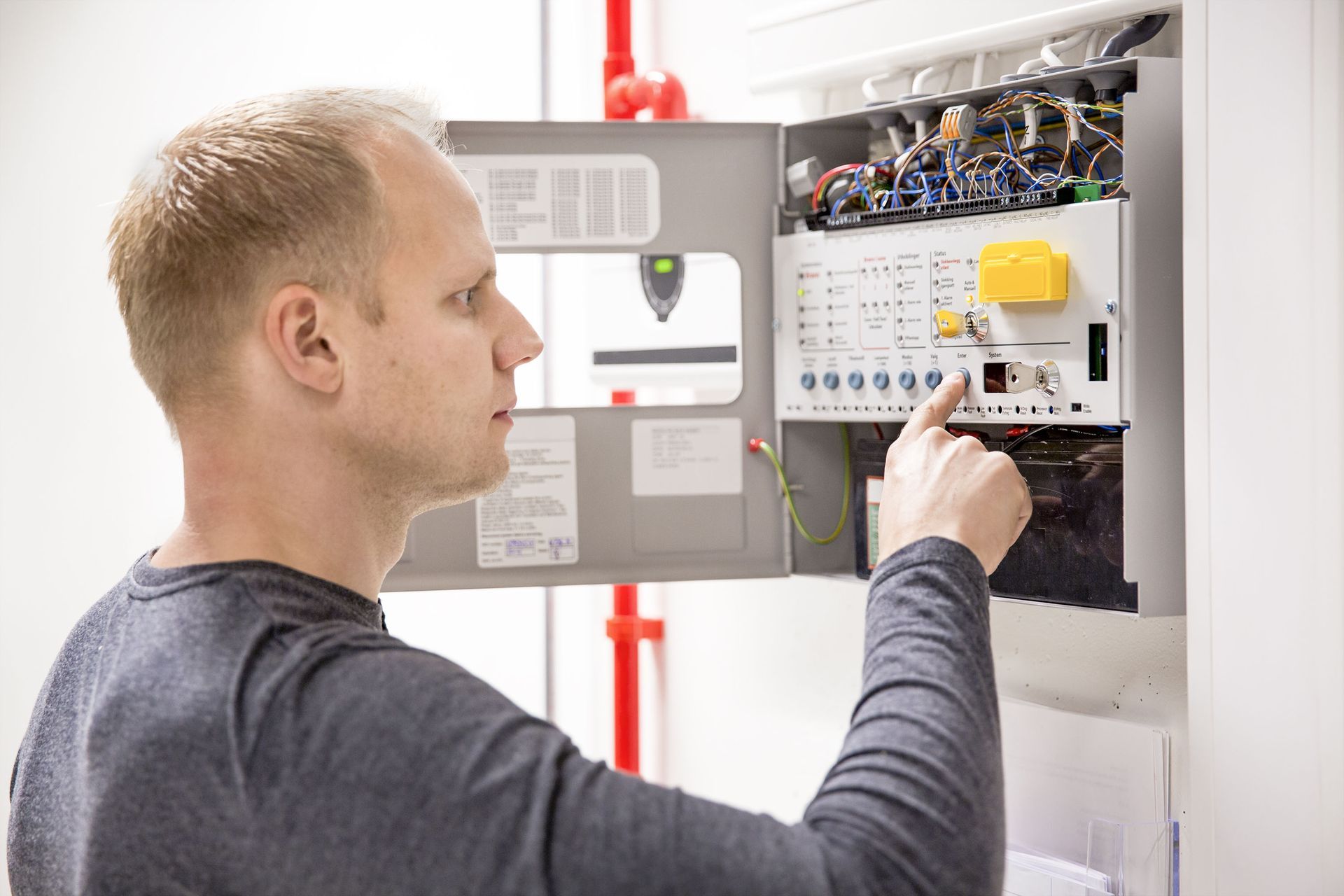
Installing an approved safety system is merely the initial step in achieving lasting compliance; ongoing verification is legally required. Regulatory bodies mandate regular inspection and testing schedules, typically requiring annual, semi-annual, or quarterly evaluations depending on occupancy type and building classification. During these mandatory assessments, every individual component—including backup batteries, duct detectors, manual pull stations, and audible signals—must be systematically tested and verified. Even minor component failures like a depleted backup battery can compromise the entire network during a power outage. A certified fire alarm service executes structured testing protocols using calibrated equipment to confirm that the entire notification grid responds instantly during a crisis. Regular testing identifies degraded components before they trigger system failures, keeping your facility compliant and operational year-round.
Managing Comprehensive Documentation and Compliance Reporting
When local authorities or insurance auditors inspect a commercial facility, official documentation serves as the primary proof of code compliance. Building owners must maintain meticulous records detailing system installations, routine inspections, component repairs, and sensitivity testing results for multiple years. Missing or incomplete logbooks can lead to failed municipal inspections and failed insurance claims following an incident. A specialized fire alarm service streamlines record-keeping by providing detailed digital inspection reports after every service visit. Organized, accessible compliance records satisfy fire marshal requirements instantly during surprise building audits. These comprehensive logs clearly document device statuses, testing dates, technician certifications, and completed repairs, presenting clear evidence of due diligence during official regulatory audits.
Integrating Alarm Systems With Emergency Building Services
Modern safety codes increasingly require detection systems to interface seamlessly with other critical building automation and emergency infrastructure. During an active fire event, the alarm system must trigger automated safety responses, such as shutting down HVAC blowers to prevent smoke circulation, releasing magnetic door holders to seal fire compartments, and recalling elevators to ground level for firefighter access. Configuring these complex cross-system integrations demands advanced technical knowledge across multiple engineering disciplines. Contracting a knowledgeable fire alarm service ensures that your life-safety network communicates reliably with suppression systems, access control units, and smoke management equipment, fulfilling mandatory integrated fire protection mandates.
Resolving Nuisance Alarms and System Trouble Signals
Frequent false alarms disrupt business operations, strain public emergency resources, and lead to substantial municipal fines for repeat offenses. Local jurisdictions often penalize property owners whose unmaintained systems trigger accidental fire department dispatches. Nuisance alarms are typically caused by sensor contamination, aging components, line faults, or improper calibration. Dust accumulation inside optical chambers is one of the most common causes of unexpected false dispatches. A dedicated fire alarm service diagnoses trouble signals on control panels promptly, identifying the root causes of system faults before they cause false dispatches. Professional cleaning, recalibration, and timely component replacement keep the detection network operating at peak sensitivity without triggering disruptive false alarms.
Upgrading Legacy Infrastructure to Meet Modern Standards
As building infrastructure ages, legacy safety hardware reaches the end of its operational lifespan, making replacement parts scarce and maintenance increasingly difficult. Older conventional systems often lack addressable technology, which identifies the exact location of a triggered sensor during an emergency. Modern building codes frequently require addressable systems in large or high-occupancy structures to speed up emergency response times. Enlisting a reputable fire alarm service allows facility managers to design phased upgrade strategies that modernize aging panels, wiring, and notification appliances without disrupting daily business operations. Upgrading legacy hardware ensures full compliance with modern standards while providing superior occupant protection.
Securing Professional 24/7 Monitoring and Emergency Response
A fully compliant system must ensure that emergency signals reach first responders immediately, even when the building is unoccupied. Unmonitored systems leave your property completely unprotected during off-hours, weekends, and holidays. Code requirements specify approved off-site monitoring protocols that link property control panels directly to central monitoring stations. Central stations verify incoming signals and contact local fire dispatchers within seconds of activation. Rapid automated dispatch cuts down response times dramatically, preserving property and lives. Partnering with a licensed fire alarm service connects your infrastructure to accredited monitoring centers staffed by trained safety professionals. Round-the-clock monitoring satisfies mandatory municipal dispatch requirements, protects property investments after business hours, and provides complete peace of mind.
Protecting Occupants and Business Continuity Through Expert Care
Achieving and maintaining compliance is ultimately about safeguarding human lives and protecting commercial assets from catastrophic loss. While regulatory mandates may appear overwhelming, working with dedicated safety professionals simplifies system management and mitigates liability risks. A trusted fire alarm service delivers end-to-end support—from initial engineering and code-compliant device placement to routine testing, emergency repairs, and central station monitoring. Investing in expert life-safety care protects your workforce, maintains seamless business operations, and ensures your facility satisfies every local and national safety code for years to come. Do not leave your facility's safety and regulatory compliance to chance. Contact Electronic Protection Systems Inc. today to schedule a comprehensive fire alarm system evaluation and ensure your property meets all local and national life-safety codes.